Feet rarely whisper when something is wrong. They jab, throb, or lock up at exactly the wrong time, and once pain settles in, it reshapes your day. The choice most people face is not whether to seek help, but what kind of help to start with. Do you head to a foot and ankle specialist who can operate if needed, or can a podiatry clinic focused on conservative care solve the problem with therapy, orthotics, and time? After two decades working alongside podiatric physicians, orthopedic foot specialists, and physical therapists, I have learned that the best answer is simple to state and harder to execute: match the problem to the least invasive treatment that has a high chance of working, and escalate deliberately.
This article lays out how I guide patients through that decision. It blends what the literature supports with the day-to-day judgment calls that come from evaluating hundreds of feet per year. Whether you are dealing with a nagging heel, a stubborn bunion, a child with flat feet, or an ankle that keeps rolling, the same reasoning applies.
What “conservative care” really means
Conservative care is not the same as “doing nothing.” In skilled hands, it is a structured approach that reduces inflammation, corrects loading, improves mechanics, and monitors healing. A podiatrist or foot care doctor starts with a clear diagnosis based on history, examination, and often imaging. From there, a conservative plan typically includes a mix of activity modification, footwear changes, targeted exercises, manual therapy, taping or bracing, and, when appropriate, orthotics.
A good podiatric medicine doctor will sequence these elements in a way that fits your life and your goals. A marathoner with plantar fasciitis does not need the same plan as a nurse on her feet for 12-hour shifts, even if the tissue involved is the same. Timeframes matter, too. Some conditions respond quickly in 2 to 4 weeks. Others, especially tendon problems, often require 8 to 12 weeks for meaningful change.
In practical terms, conservative care relies on:
- Accurate diagnosis, usually in the clinic, sometimes with ultrasound or X-rays. Load management through footwear, orthotics, or temporary activity changes. Tissue calming using ice, anti-inflammatories if appropriate, and taping or bracing. Progressive strengthening and mobility work to fix the why, not just the what.
That’s the skeleton of the plan. The details make it succeed or fail.
When a surgeon enters the picture
A podiatric surgeon or foot and ankle surgeon brings the ability to correct structural problems that cannot reasonably be reversed with therapy and orthotics. Surgery should not be the default, but it is a valuable tool when conservative paths have been exhausted or when certain red flags show up.
In my practice, I involve a foot surgeon earlier in these situations:
- Clear mechanical block or deformity that will not respond to therapies alone: a severe bunion with crossover toes, a rigid hammertoe, an advanced hallux rigidus with dorsal spurs blocking motion, or a long-standing Achilles insertional spur with calcification. Instability that is not recovering: recurrent ankle sprains with proven ligament insufficiency despite bracing and rehab, often confirmed by stress X-rays or MRI. Advanced arthritis with joint space collapse that limits sleep and daily function. Nonhealing wounds in people with diabetes or peripheral arterial disease where a podiatric wound care specialist must coordinate urgent offloading, debridement, and sometimes surgical intervention. Urgent trauma: displaced fractures, tendon ruptures, or infections that cannot be managed in the office setting.
Notice that those scenarios are not garden-variety aches. They represent either persistent failure of conservative methods over a fair trial or situations where delaying definitive correction risks further harm.
Getting the diagnosis right: what your exam should include
Too many foot problems are mismanaged for months because the initial assessment was rushed or incomplete. A foot and ankle doctor should listen for load patterns in your history. When does it hurt most, first step in the morning or after activity? Does pain sit under the heel, along the arch, in the big toe joint, or behind the ankle bone? What shoes are you using, and how old are they? How much standing or repetitive motion is locked into your day?
A physical exam from a foot and ankle specialist should include gait analysis in the hallway, joint-by-joint motion testing, palpation that pinpoints the exact structure, and functional tests such as single-leg calf raises and balance holds. If the suspected diagnosis overlaps multiple issues, an ultrasound in the office can be decisive. For example, distinguishing plantar fascia thickening from Baxter’s nerve entrapment or confirming peroneal tendon inflammation versus lateral ankle impingement.
Imaging is not always needed on day one. X-rays are useful for suspected fractures, arthritis grading, bunion alignment angles, and heel spurs. MRI is reserved for unclear cases, tendon tears, stress reactions that do not show on X-ray, or when surgery is on the table. A podiatric evaluation doctor should explain why an image is or is not necessary at that moment.
Plantar heel pain: fasciitis, fat pad, or nerve?
The heel carries myth and misunderstanding. Most people call any heel pain “plantar fasciitis,” yet on a typical clinic day I see three common patterns:
- True plantar fasciitis, usually in the medial heel with first-step pain and tenderness at the fascia origin. Fat pad atrophy or contusion, with centralized heel pain that worsens on hard floors and improves on cushioned shoes. Nerve entrapment, such as Baxter’s nerve, with burning or tingling and pain that may radiate forward.
A heel pain doctor should tailor treatment to the pattern. For fascia, I prefer a staged conservative plan: calf and plantar fascia stretching, taping to unload the origin, a heel-friendly shoe with a slight drop, and a custom insole specialist visit if symptoms persist beyond 3 to 4 weeks. Night splints help in select cases. Shockwave therapy has decent evidence for chronic cases after 6 to 12 weeks of failed standard care. I rarely start with steroid injections, and when I do, it is a single, carefully placed dose with a discussion about fat pad risk. A podiatric foot surgeon is seldom needed unless there is a true partial tear or a recalcitrant case after 6 months of diligent therapy.
For fat pad issues, injections are a bad idea. The playbook is cushioning, activity modification, and gait changes to shorten loud heel strike. For nerve entrapment, neural gliding, tissue mobility work, and targeted orthoses help. If symptoms persist or there is clear nerve compression on exam, a foot surgeon can discuss decompression.
Bunions and forefoot pain: what matters beyond the bump
Bunions can be quiet for years, then suddenly become a problem after a change in shoes, weight, or activity. A bunions specialist looks beyond the bump size. I care about alignment angles on standing X-rays, joint congruency, and whether the big toe joint still moves smoothly. In the clinic, I see two camps.
First, flexible bunions with tolerable symptoms. Here, a foot care specialist focuses on shoe shape and width, toe spacers if tolerated, taping for high-demand days, and a forefoot-neutral orthotic that stabilizes the first ray. If the bunion is not painful, surgery is not necessary simply because the bump is visible.
Second, progressive bunions with pain under the second metatarsal head or crossover toes. That pattern signals overload that conservative tools can only partially address. If 8 to 12 weeks of well-executed conservative care fails, a foot surgeon can review options ranging from distal osteotomies to Lapidus procedures. The right choice depends on angles, mobility, and lifestyle. Patients often ask for exact recovery timelines. In my experience, desk workers can return in 2 to 3 weeks in a boot, while standing jobs may need 6 to 8 weeks. Full sport may take 3 to 6 months depending on the procedure.
Metatarsalgia without bunions is its own puzzle. A metatarsalgia specialist looks for calf tightness, long second metatarsal, and plantar plate integrity. Early taping and met dome padding work wonders when timed correctly. If a plantar plate tear is suspected, MRI helps, and surgical repair can restore stability when conservative care falls short.
Ankle sprains and chronic instability: more than “just a sprain”
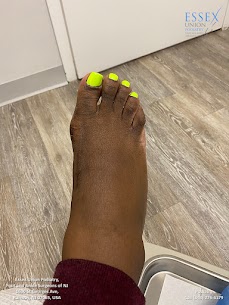
I have lost count of how many people came in months after a “mild ankle sprain” that never fully recovered. A proper exam by an ankle specialist distinguishes a simple lateral sprain from high ankle sprains, peroneal tendon involvement, and occult fractures. Early management is nuanced. Too much rest stiffens the joint, too little protection leads to repeat sprains.
A well-run protocol builds from swelling control and protected weight-bearing, into balance work and progressive loading. Many patients skip the balance phase, which is the linchpin for preventing recurrence. If the ankle continues to “give way” after 8 to 12 weeks with dedicated rehab, or if stress X-rays show laxity, a foot and ankle surgeon can discuss ligament repair. The modern techniques are reliable, but you still need a realistic plan for rehab. Weekend players often return to sport at 10 to 12 weeks after surgery, while cutting and pivoting at higher levels can take 4 to 6 months.
Flat feet, arches, and the role of orthotics
Not every flat foot needs correction. A flexible, painless flat foot in a child usually requires observation and a watchful pediatric podiatrist, not aggressive intervention. Red flags include pain that limits play, asymmetry, or a rigid flat foot that does not rise on tiptoe. In adults, a flat foot with posterior tibial tendon pain needs early attention. The window to avoid surgery is real. An orthotics specialist will craft a device that supports the medial arch and reduces tendon strain, paired with a strengthening program for the deep calf and intrinsic foot muscles. If swelling at the tendon persists, an MRI can confirm degeneration. At later stages with collapse, a foot and ankle surgeon may discuss reconstruction.
Orthotics themselves vary. Off-the-shelf devices are useful for short trials and budget constraints. For durable support in complex feet, a custom orthotics doctor can map pressure points and fabricate shells that guide motion without overcorrecting. The best devices work with the shoe, not against it. If your podiatry doctor does not examine your shoes, you are missing half the equation. Make sure your foot orthotic expert talks about shoe last shape, heel counter stiffness, and appropriate drop.
Toenail and skin problems: small issues, big impact
Ingrown nails, fungus, corns, and calluses seem minor until they make every step sharp. A nail care podiatrist or ingrown toenail doctor can resolve spicules and infection quickly. For recurrent ingrowns, a chemical matrixectomy performed in the office takes 15 to 20 minutes, removes the offending nail edge, and reduces recurrence dramatically. Patients typically return to normal shoes within a week.
Toenail fungus is slower. A toenail fungus doctor will review options: topical agents for mild cases, oral antifungals for thicker involvement with appropriate liver screening, or debridement to reduce thickness. Laser remains a debated tool. I have seen partial success, mostly as an adjunct, not a standalone cure.
Corns and calluses result from pressure and shear. A corn and callus doctor can offload the area with pads and shoe changes, but unless the underlying biomechanics shift, the lesion returns. Strategic orthotic posting or toe splints often solves the cycle better than repeat trimming. For stubborn plantar warts, a foot wart removal specialist may use topical acids, cryotherapy, or needling. Again, the choice depends on skin type, location, and tolerance for downtime.
Nerve pain, heel spurs, and other culprits that masquerade
Nerve pain can feel like burning, zapping, or numbness. A foot nerve pain specialist will probe Tinel’s signs at the tarsal tunnel, along Baxter’s nerve, and between metatarsal heads for Morton’s neuroma. Conservative care includes footwear with adequate width and a metatarsal pad, activity modification, and sometimes alcohol sclerosing injections for neuromas. Tarsal tunnel requires a careful look at causes from cysts to varicosities. If a clear compressive lesion exists, surgical decompression works best.
Heel spurs, often seen on X-rays, are not guaranteed villains. Many painless feet show spurs, and many painful heels do not. A heel spur doctor should treat symptoms and mechanics first, not the X-ray image. The spur alone is rarely an indication for surgery.
Athletes and runners: similar tissues, different stakes
Runners, dancers, and field sport athletes bring different demands. A sports podiatrist or running injury specialist pays attention to training load, surfaces, footwear, cadence, and recovery. A gait analysis podiatrist can video your stride and spot overset patterns like overstriding or a crossover gait that hike risk for shin pain, podiatrist in Rahway NJ plantar fasciitis, and IT band issues.
For runners with arch pain, the fix is rarely just an orthotic. I often adjust cadence by 5 to 7 percent, tweak foot strike, and shift hill volume. A sports injury podiatrist will phase your return to running in minutes rather than miles at first, add hopping progressions, and watch for symptom spikes 24 to 48 hours after a session, not just during the run. When I see a runner who “can run through it,” I still reset volume to the last pain-free level and rebuild. That discipline saves seasons.
Team sport athletes with ankle sprains benefit from lace-up braces for the first season after injury. Over time, the goal is to rely on strength and proprioception, but in-season practicality matters. A podiatry consultant can help coaches and trainers set taping and brace policies that reduce recurrence without sacrificing performance.
Diabetes and wounds: the non-negotiables
Diabetic foot care is its own arena. A diabetic foot doctor focuses on three pillars: blood flow, infection control, and pressure offloading. The stakes are high. A shallow ulcer that does not look alarming can deteriorate quickly if pressure and shear persist. A podiatric wound care specialist coordinates debridement, dressings, and specialized offloading like total contact casting or removable walkers. If a wound fails to progress after two to four weeks despite appropriate care, reassessment for vascular insufficiency or deeper infection is mandatory. Imaging, including MRI, can identify osteomyelitis. Surgical intervention, from tendon lengthening to bony resection, is sometimes the right lever to close a wound and prevent worse outcomes.
Children and adolescents: growth plates and growth spurts
A children’s podiatrist or pediatric podiatrist sees patterns that adults do not get. Sever’s disease, or calcaneal apophysitis, causes heel pain in active kids around growth spurts. The treatment is almost always nonoperative: calf stretching, heel cushions, load management, and activity breaks during flares. Rigid flat feet, tarsal coalitions, and intoeing deserve targeted assessment. Most kids do not need custom devices. When they do, it is short-term, with a plan to wean as strength and motor control improve.
When time matters and when patience wins
The hardest part of conservative care is knowing how long to try before escalating. My framework looks like this: if pain is improving over a two to three week window, even modestly, keep going and refine the plan. If symptoms are flat for four to six weeks despite good adherence, reorder the approach or add a modality like shockwave or different orthotic posting. If the trend is worse over two weeks, reassess the diagnosis and consider imaging. Tendons are the outlier. I allow 8 to 12 weeks for tendinopathies to rebuild unless there is a tear or dramatic functional loss.
Surgery has clear timelines. If you cannot push off without pain, if the joint locks, or if your foot collapses under you, the clock runs faster. A foot surgeon does not just operate; they also rule out surgeries that will not help. I have sat with patients where MRI showed degeneration, but the pain driver was actually a nerve. Operating on the tendon would not fix the burning.
What to ask at your first appointment
Patients who ask the right questions get better care because the plan becomes a shared project. Keep it brief, focused, and practical.
- What is the working diagnosis, and what else could it be? What is the first phase of treatment, and how will we know it is working? What are my footwear and activity rules for the next two weeks? If this plan fails, what is the next step and the realistic timeline? Do I need imaging now, or can it wait?
Those five questions cover mechanics, expectations, and contingency planning without derailing the visit. Bring your shoes and orthotics to the appointment. A foot posture specialist or foot motion analysis doctor can learn more from a worn insole than from a single snapshot of your gait.
How clinics differ and why that matters
Not all clinics are set up the same way. Some podiatry foot care clinics are integrated with physical therapy, making it easy to hand off the exercise and manual care component. Others are tightly linked to radiology and surgical suites, convenient when advanced imaging or operations are likely. A podiatry specialist’s personal focus also shapes care. An orthopedic foot doctor may concentrate on structural corrections, while a podiatric care expert may favor stepwise conservative algorithms. Neither is inherently better. The right fit depends on your diagnosis and goals.
Look for clues: does the podiatry doctor spend time on shoe education and exercise progressions, or does every pathway end in an injection? Does the foot and ankle surgeon perform a high volume of the procedure you are considering? Do they track outcomes like return to work and complication rates? A foot health professional who measures progress objectively tends to adjust plans more effectively.
Red flags that should accelerate your decision
A small subset of foot problems can become emergencies or require expedited care. If you notice rapidly increasing redness, swelling, and warmth, especially with fever, you may be dealing with infection and need urgent evaluation by a foot infection doctor. Sudden inability to push off the ground with a pop behind the ankle suggests an Achilles rupture, which warrants prompt assessment. Foot wounds in patients with diabetes that probe deep or show drainage Rahway, NJ podiatrist should be seen quickly by a foot ulcer treatment doctor. Numbness or weakness that spreads deserves attention from a foot and lower limb specialist who can coordinate nerve testing and imaging.
Surgery: trade-offs, not magic
As a podiatry consultant, I respect surgery as a tool with power and limits. The best surgical outcomes come from matching the right operation to the right patient at the right time, paired with realistic rehab. A foot correction doctor can straighten a bunion beautifully, but if your expectations include running a marathon at 10 weeks, we will need to adjust the plan. Fusion procedures eliminate painful motion but exchange it for stiffness. Tendon transfers restore balance but require retraining. Ask your foot therapy specialist to map rehab milestones: when you can drive, return to desk work, stand all day, and resume sport.
Complication rates in skilled hands are low but not zero. Nerve irritation, scar sensitivity, delayed union, and stiffness are real. A podiatric foot surgeon should discuss those in plain terms and explain how they mitigate risks: precise incisions, gentle tissue handling, and thoughtful fixation choices.
Where conservative care shines
Conservative treatment works best when the underlying problem is load or movement based rather than a fixed structural deformity. Plantar fasciitis, many cases of metatarsalgia, early posterior tibial tendinopathy, peroneal tendonitis, simple ankle sprains, stress reactions without fracture lines, and neuromas under 8 mm respond well with patience and compliance. An orthopedics-savvy foot pain specialist or podiatry pain relief doctor will personalize the plan, check your technique on exercises, and refine orthotics based on follow-up feedback, not just the initial cast.
When patients tell me “I tried orthotics and they did nothing,” I dig into details. Were they posted to correct the specific rearfoot-forefoot relationship? Were the shoes bending at the right place? Did we strengthen the intrinsic foot and hip together? Many failed conservative stories are really incomplete ones.
Costs, convenience, and the real-life calculus
Health care choices are not made in a vacuum. Time off work, childcare, insurance deductibles, and transportation matter. Conservative care often looks cheaper upfront, and usually is, but it requires visits, exercises, and consistency. Surgery concentrates cost and downtime into a shorter window. When advising a warehouse worker who cannot take weeks of partial weight-bearing, I may steer more strongly toward a conservative path that allows modified duties, whereas a desk worker could weather a surgical recovery better if definitive correction offers a faster long-term return to full function.
Medications, injections, and advanced therapies like shockwave or platelet-rich plasma vary widely in cost and coverage. A podiatric medicine doctor should explain value, not just options. I tell patients: if a treatment offers a meaningful chance to move you from stuck to improving within a defined window, it has value. If it promises a lot with little evidence and no clear endpoint, be cautious.
Putting it all together: a practical flow
Here is how I advise most patients to proceed when foot pain starts:
- Seek an early assessment with a podiatrist or orthopedic foot specialist for a working diagnosis and an initial plan. Commit to a focused conservative trial for a defined period, typically 4 to 6 weeks, with clear milestones and activity guidelines. Reassess. If better, continue and progress. If flat, adjust the plan or add a modality. If worse, obtain targeted imaging or specialist input. If a structural problem or persistent instability is identified and conservative care has been executed well without relief, sit down with a foot and ankle surgeon to weigh operative options, recovery timelines, and your life constraints. After any intervention, conservative or surgical, invest in long-term habits: smart shoes, strength, mobility, and load management. That is how you keep today’s fix from becoming next year’s problem.
The bottom line
You do not need to choose a camp, surgeon or conservative, before you are even examined. You need a thoughtful foot care professional who understands both paths and helps you navigate between them at the right time. Most foot issues improve without an operation when diagnosed accurately and treated with disciplined, progressive care. When surgery is the right move, timely decision-making prevents months of frustration and protects your long-term function.
Choose a clinician who explains the why behind the plan. Bring your shoes, ask focused questions, expect measurable progress, and insist on a realistic timeline. Your feet will tell you, quickly and honestly, when you have made the right decision.